
An elephant’s pregnancy lasts about 18 to 22 months on average, close to two years, which is the longest gestation of any land animal on Earth. That’s right: an elephant mother carries her calf for well over twice as long as a human carries a baby. It’s one of the most astonishing facts in the animal kingdom, and once you understand why it takes so long, it tells you something important about these animals—and why protecting them is such patient work.
Why Are Elephants Pregnant for So Long?
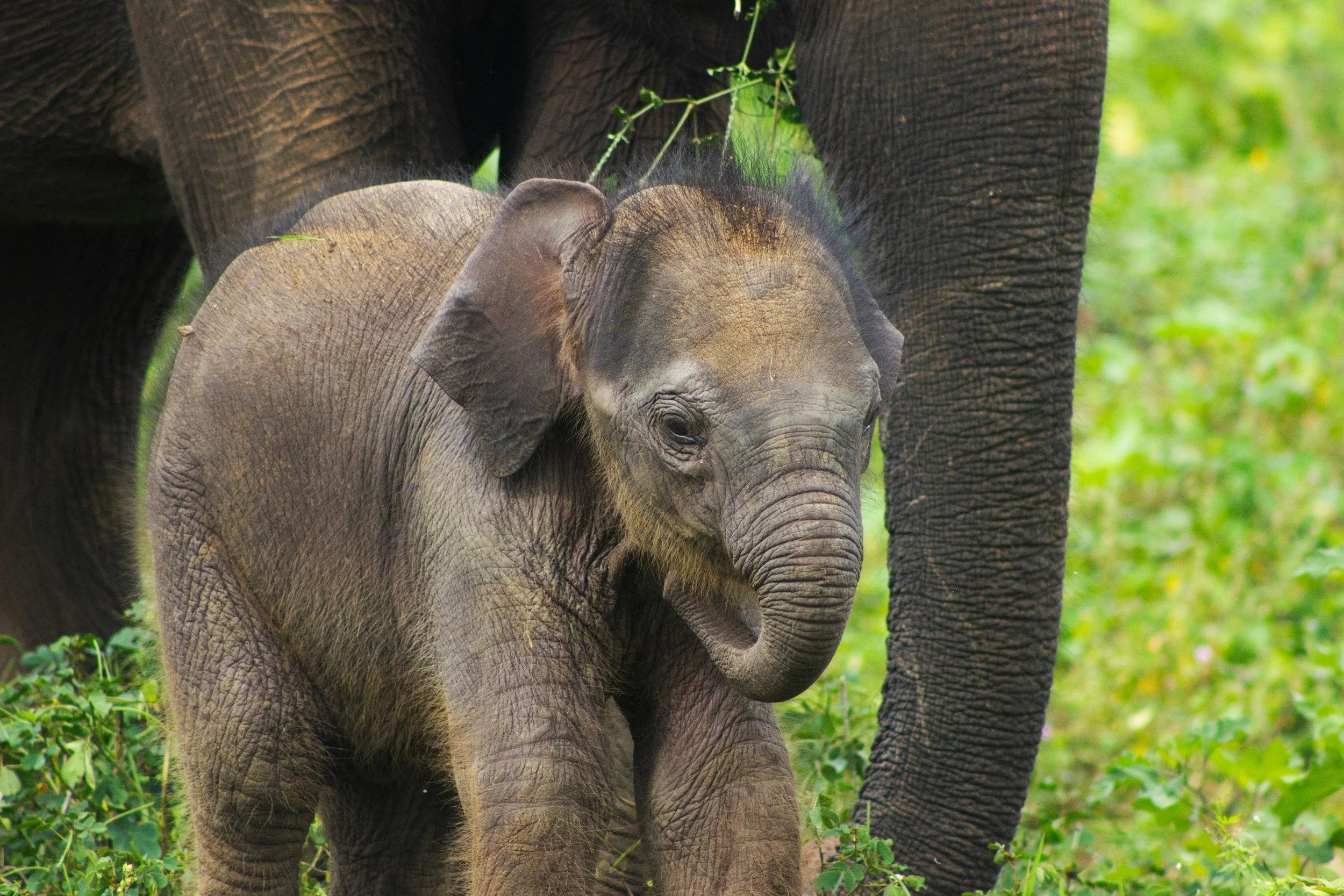
Elephant gestation lasts 18 to 22 months because of how large an elephant calf is at birth. A newborn calf arrives weighing around 200 pounds (about 90 kilograms) and already standing nearly a meter tall. More importantly, that calf needs a remarkably well-developed brain from day one. Elephants are born into complex, social, intelligent herds, and a calf has to be ready to stand, walk, and keep up with the family within hours of birth; there’s no safe, hidden nest to grow up in on the open landscape. All that development takes time, and the better part of two years in the womb is the cost.
Elephants also almost always have just one calf at a time. Twins happen, but they’re rare. A mother typically won’t have another calf for about four to five years after the last, because she spends that time nursing and raising the one she has. Add it all up, and you get one of the slowest reproductive rates of any mammal: a female elephant might raise only a handful of calves in her entire life.
What a Long Pregnancy Means for Conservation
When a species reproduces as slowly as an elephant, every animal counts, and losses are painfully hard to replace. A population of elephants hit by poaching, habitat loss, or conflict can’t simply bounce back in a few seasons like faster-breeding animals. Recovery takes decades, not years. It’s also why the idea that we can “just breed more” elephants in captivity is far more complicated and troubled than it sounds (we dig into that in our FAQ on elephant breeding in captivity). Slow reproduction is exactly why elephant conservation has to focus on protecting the animals and the land they already have, not on replacing what’s lost.
So the next time someone tells you elephants are pregnant for almost two years, you can tell them the rest of the story: it’s not just a fun fact; it’s a window into how these extraordinary, slow-living, deeply intelligent animals work — and a quiet reminder of why every single one of them is worth protecting.